laptop very slow 5ghz wifi

Title: Agar PCLaptop Selalu Mendapatkan Sinyal WiFi 5Ghz
Channel: bacatutorial
Agar PCLaptop Selalu Mendapatkan Sinyal WiFi 5Ghz by bacatutorial
5GHz Wi-Fi Nightmare? Fix Your Laptop's Speed NOW!
Oh No! Is Your 5GHz Wi-Fi a Digital Drag? Speed Up Your Laptop TODAY!
Are you wrestling with a sluggish laptop? Does your 5GHz Wi-Fi feel more like dial-up from the dark ages? Breathe easy, because help is here! We’re diving deep; let’s conquer those Wi-Fi woes. We'll restore your laptop's pep. Therefore, prepare for a speed surge.
The 5GHz Fiasco: A Quick Reality Check
First, acknowledge that 5GHz Wi-Fi is a double-edged sword. The 5GHz band offers dazzling speed potential. However, it often struggles with range. Think of it as a race car. It’s fast, yet it can tire quickly. Your laptop’s connection might be affected. Distance and obstacles can wreak havoc. Walls and interference can be the villains. So, before you rage, troubleshoot. Let's identify the culprits.
Troubleshooting Time: Unmasking the Wi-Fi Criminals
Okay, let's get technical. Have you restarted your router lately? Believe it or not, this often works. This simple step often clears up many issues. Next, check the distance. Are you far from your router? Move closer, if possible. Furthermore, consider the physical obstacles. Walls can really jam the signal. Metal objects are notorious signal killers.
Conquering Interference: The Silent Wi-Fi Saboteurs
Interference is a sneaky foe. It can silently cripple your connection. Microwaves and Bluetooth devices are common culprits. They share the same frequency band. Consequently, they create conflict. Try moving your router. Locate it away from these interfering devices. Change your Wi-Fi channel within your router’s settings. This can alleviate congestion. Explore your router's settings for channel optimization features. These settings often offer automatic channel selection.
Driver Dilemmas: Unleashing Your Laptop's Potential
Outdated drivers are a frequent problem. They can throttle your Wi-Fi speed. Regularly update your network adapter drivers. Usually, the manufacturer's website has the latest drivers. Also, Windows Update can perform this task. Doing so ensures peak performance. Obsolete drivers are often the weak link. A fresh, updated driver can unlock speed. Therefore, update these drivers now!
Laptop Location: Optimizing for Optimal Performance
Think about the location of your laptop. Position matters tremendously. Elevate your laptop. Place it above ground level. This often improves the signal strength. Also, keep your laptop clear of obstructions. Avoid placing it behind large objects. Remember, clear line of sight is ideal. Consider investing in a laptop stand.
Router Revelation: Unlocking Hidden Speed Boosts
Your router is the heart of your Wi-Fi. It needs some tender loving care. First, ensure your router firmware is up-to-date. Outdated firmware can lead to performance drops. Second, check your router’s placement. Elevated locations work well. Additionally, consider upgrading your router. Newer models support faster Wi-Fi standards. Consequently, you'll enjoy increased speed.
The Power of a Strong Password: Safeguarding Your Network
Security is paramount. Start by securing your Wi-Fi network. Use a strong, complex password. This prevents unwanted intruders from slowing you down. Also, enable network encryption protocols. WPA3 is the most secure option. Always prioritize network security.
Advanced Tactics: Fine-Tuning Your Wi-Fi Experience
Are you still encountering issues? Let's dive deeper. Explore your router settings. Some routers offer quality of service (QoS) features. You can prioritize your laptop's traffic. This can improve speed. Additionally, consider using a Wi-Fi analyzer app. These apps identify channel congestion. They will recommend the best channel.
The Final Verdict: Speed Is Within Reach!
So, what's the takeaway here? Fix your Wi-Fi frustrations quickly. Implement the steps above. Observe the transformation of your laptop's speed. Enjoy faster downloads, smoother streaming, and an improved online experience. Furthermore, if problems persist, consult an IT professional. They can give expert advice. Finally, embrace the speed. Your laptop deserves it!
HP Laptop WiFi Nightmare? This FIX Will SHOCK You!5GHz Wi-Fi Nightmare? Fix Your Laptop's Speed NOW!
Hey there, tech explorers! Ever feel like your laptop is surfing the internet at the speed of molasses on a winter's day? You're not alone. Many of us have experienced the frustrating lag, the endless buffering, the general feeling that our internet connection is powered by a hamster on a tiny wheel. If you've got a 5GHz Wi-Fi router and are experiencing these woes, you’ve probably stumbled upon the 5GHz Wi-Fi nightmare. But fear not, because we're about to dive deep and rescue your laptop from the clutches of slow speeds!
The 5GHz Enigma: Why Is My Wi-Fi So Slow?
Let's get this straight: 5GHz Wi-Fi should be screaming fast. Think of it like a superhighway compared to the congested backroads of the older 2.4GHz band. The promise is higher speeds, less interference, and a smoother online experience. But, as we all know, promises and reality don't always see eye-to-eye. We've all been there, right? You're ready to binge-watch your favorite show, and blip, the buffering symbol appears. Frustrating! So, what's the catch? Why is your laptop struggling to keep up with the blazing-fast potential of 5GHz?
Understanding the 5GHz Band: The Basics
Before we start tinkering, let's get a handle on the basics. 5GHz Wi-Fi operates on a higher frequency than its 2.4GHz counterpart. This higher frequency means:
- Higher Speed Potential: Theoretically, 5GHz can support faster data transfer rates.
- Shorter Range: Think of it like a powerful flashlight – it shines brighter but doesn't reach as far. 5GHz signals have a harder time penetrating walls and other obstacles.
- Less Congestion (Usually): Fewer devices use the 5GHz band, meaning less interference from your neighbor's Wi-Fi, microwaves, and other gadgets.
Problem #1: Distance – The Achilles Heel of 5GHz
Here's the first kicker: distance. The further your laptop is from your 5GHz router, the weaker the signal becomes. Walls, floors, and even furniture act as speed bumps, further weakening the signal. Imagine trying to shout across a football field – the further you get, the harder it is to hear.
Solutions:
- Move Closer: This is the simplest fix. Try moving your laptop closer to the router.
- Router Placement: Place your router in a central location, not tucked away in a closet or basement.
- Wi-Fi Extenders/Mesh Systems: If you need coverage throughout your home, consider using a Wi-Fi extender or a mesh Wi-Fi system, which creates a more extensive, robust network.
Problem #2: Obstacles – The Signal Blockers
As mentioned earlier, walls and other obstacles can seriously obstruct your 5GHz signal. Solid walls, in particular, can be very effective signal killers! Think of it like trying to hear a radio broadcast inside a lead box – not going to happen!
Solutions:
- Reduce the Barriers: Try to position your laptop to minimize the number of walls or obstructions it must pass through to reach the router.
- Router Placement (Again!): Elevate your router. Placing it on a shelf or desk can help it transmit signals over obstacles.
Problem #3: Interference – The Unwanted Guests
While less susceptible than 2.4GHz, 5GHz can still be affected by interference from other devices. Microwaves, cordless phones, and other electronics can sometimes cause issues. Think of it like trying to listen to a concert with a jackhammer going off nearby.
Solutions:
- Channel Selection: Your router automatically selects a Wi-Fi channel. Sometimes, manually switching to a less congested channel can improve performance. You can usually find channel selection options in your router's settings (accessed through your web browser).
- Minimize Interference: Keep your router away from other electronic devices.
Problem #4: Outdated Network Adapter Drivers – The Forgotten Software
Your laptop's network adapter is the translator that speaks the language of Wi-Fi. If the drivers (the software that tells the adapter how to work) are outdated, it’s like trying to understand someone speaking ancient Greek – you're going to have a tough time!
Solutions:
- Update Your Drivers: This is a critical step. Here’s how, generally speaking:
- Go to your laptop's device manager (search for "Device Manager" in Windows).
- Expand "Network adapters."
- Right-click on your Wi-Fi adapter and select "Update driver."
- Choose “Search automatically for drivers.”
- Restart your Laptop
Problem #5: Router Issues – The Weak Link
Sometimes, the problem isn't your laptop; it’s the router itself being a bit sluggish. Think of it like a car with a dying engine – no matter how good the driver, it won't go far.
Solutions:
- Restart Your Router: This is the classic, often-overlooked fix. Unplug your router for 30 seconds, then plug it back in. This can clear temporary glitches.
- Router Firmware Update: Just like your laptop, your router needs updates too. Check your router's settings for firmware updates.
- Consider a New Router: If your router is old (more than a few years), it may be time for an upgrade. Newer routers often have improved 5GHz performance.
Problem #6: Laptop's Wi-Fi Capabilities – The Hardware Hurdle
Not all laptops are created equal. Some older laptops simply may not have the hardware necessary to take advantage of the full potential of 5GHz Wi-Fi. It would be similar to trying to race a modern Formula 1 car on a horse trail.
Solutions:
- Check Your Specs: Look up your laptop's specifications to see what Wi-Fi standards it supports (e.g., 802.11ac, 802.11ax).
- USB Wi-Fi Adapter: If your laptop's internal Wi-Fi is outdated, you can use a USB Wi-Fi adapter to upgrade its capabilities.
Problem #7: Network Congestion – The Traffic Jam
Even on 5GHz, too many devices using the network simultaneously can create bottlenecks. Imagine a highway during rush hour – even a wide highway can get congested during peak times.
Solutions:
- Limit Usage: Reduce the number of devices streaming videos, downloading large files, or playing online games at the same time.
- Quality of Service (QoS): Some routers have Quality of Service (QoS) settings that let you prioritize certain devices or traffic types.
Problem #8: Router Settings – The Configuration Conundrum
Your router's settings can heavily impact Wi-Fi performance. Incorrect settings can hamper your internet speeds.
Solutions:
- Check Your Router's Manual: Consult your router's manual for guidance on configuring your settings correctly.
- Explore Router Settings: Access your router's settings through your web browser and explore features like channel selection, security protocols, and QoS settings.
Problem #9: Security Protocols – The Protective Barrier
While important for security, certain security protocols can impact speed. Think of it like wearing a bulletproof vest – very protective, but it can make movement a little slower.
Solutions:
- Use WPA2 or WPA3: These are the most secure and fastest options. Avoid older protocols like WEP.
Problem #10: Incorrect Router Bandwidth – The Bottleneck
If your router’s set to a lower bandwidth, such as 20MHz instead of 40MHz or 80MHz, it could be restricting your speeds.
Solutions:
- Optimize Router Bandwidth: Check your router settings to ensure your 5GHz band is set to the highest available bandwidth.
Reaping the Rewards – The Speedy Solutions!
Once you address these issues, you should see a significant improvement in your laptop's Wi-Fi speed, and you can finally experience the fast and reliable internet you deserve. It's like upgrading from dial-up to fiber optic in a few simple steps.
Troubleshooting Tips – A Checklist for Success
- Test Your Speed: Use a speed test website (like Speedtest.net) to measure your internet speed before and after making changes.
- Restart Everything: Don't underestimate the power of a good reboot. Restart your laptop, router, and modem.
- Isolate the Problem: Try connecting another device to your Wi-Fi to see if the issue is specific to your laptop.
- Contact Your ISP: If all else fails, contact your internet service provider. There may be an issue on their end.
Final Thoughts: Taming the 5GHz Beast
The 5GHz Wi-Fi nightmare doesn't have to haunt you. By understanding the potential pitfalls and implementing these solutions, you can take control and enjoy a fast, reliable connection. You got this!
FAQs: Your Burning Questions Answered
1. Why is 5GHz Wi-Fi better than 2.4GHz?
5GHz offers potentially faster speeds and
Download Windows 8.1 Hotspot: Free & Easy WiFi!Ketika hanya satu komputer yang internetnya lambat
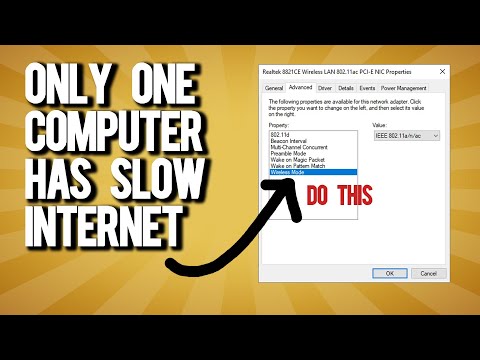
By Jay Chun Ed.D Ketika hanya satu komputer yang internetnya lambat by Jay Chun Ed.D
Cara mendapatkan Kecepatan Wi-Fi 5GHz di PC atau Laptop Lama 2,4GHz
By Gadget Lite Cara mendapatkan Kecepatan Wi-Fi 5GHz di PC atau Laptop Lama 2,4GHz by Gadget Lite
Boost Your Laptop's Wi-Fi Speed Enabling 5GHz 2023

By EasyTechGeek Boost Your Laptop's Wi-Fi Speed Enabling 5GHz 2023 by EasyTechGeek

Title: 5GHz Wi-Fi it's not workingat full speed or very slow Lenovo Legion 5 FIX 5 Wi-Fi.
Channel: Eugen Morari
5GHz Wi-Fi it's not workingat full speed or very slow Lenovo Legion 5 FIX 5 Wi-Fi. by Eugen Morari
Working With Laptop
5GHz Wi-Fi Nightmare? Fix Your Laptop's Speed NOW!
We've all been there. The frustration boils over. You're staring at the loading icon, waiting… waiting… and waiting. Your laptop, once a beacon of productivity and entertainment, has become a digital tortoise, crawling along at a snail's pace. And the culprit? More often than not, it's the seemingly ubiquitous 5GHz Wi-Fi – the very technology designed to deliver blazing-fast speeds. But the promise often falls short. Instead of seamless streaming and lightning-quick downloads, a 5GHz Wi-Fi connection can sometimes morph into a maddening bottleneck. Fear not! We're here to diagnose the problem and provide solutions – actionable steps you can take right now to banish that frustrating 5GHz Wi-Fi nightmare and reclaim your laptop's lost speed.
Understanding the Allure and Agony of 5GHz Wi-Fi
Let's begin by understanding what makes 5GHz Wi-Fi tick, and why it frequently falls short of its potential. The 5GHz band offers several advantages over its older sibling, the 2.4GHz band. Primarily, it boasts a significantly wider bandwidth, meaning it can handle much more data simultaneously. This translates to potentially higher speeds and less congestion, particularly in environments with many Wi-Fi networks competing for airtime. Think of it like a multilane highway (5GHz) versus a narrow, congested road (2.4GHz).
However, the 5GHz band’s strength is also its weakness. Its higher frequencies mean shorter wavelengths. This physical property affects how the signal behaves. 5GHz signals have a harder time penetrating solid objects like walls, floors, and even dense furniture. This can lead to a weaker signal strength and range compared to 2.4GHz, especially in multi-story homes or apartments. The distance between your laptop and your router has a significant influence on this. If your laptop is relatively far from the router, 5GHz might become unreliable and slow down.
Furthermore, the 5GHz band can also be prone to interference. While it has more channels than 2.4GHz, those channels can still overlap and be susceptible to interference from other devices. This includes microwave ovens, Bluetooth devices, and even other Wi-Fi routers operating on the same or overlapping channels. The environmental factors in and around your home or office can, therefore, have a far-reaching effect on your 5 GHz WI-FI network traffic.
Troubleshooting Steps: Diagnostics Before Solutions
Before you start implementing fixes, you need to accurately diagnose the root cause of your slow 5GHz Wi-Fi. Think of it as your digital detective work. A methodical approach will save you time and prevent you from implementing unnecessary changes. Here’s how to methodically approach the problem.
1. The Speed Test:
The first step is to measure your actual internet speed. Use a reliable speed test website, such as Speedtest.net or Fast.com, while your laptop is connected to your 5GHz Wi-Fi. Make sure all other devices using the same internet connection are disconnected during the speed test, so you get a clear picture of your laptop’s performance. Note the download and upload speeds, as well as the ping (latency). Take a screenshot of the results for future reference. Compare the numbers to what you are paying your internet service provider (ISP) for. Are you receiving the speeds you are supposed to get? If not, the problem might lie with your ISP or your modem/router.
2. Test on Other Devices:
Test other devices on the same 5GHz Wi-Fi network. A smartphone or another computer can help you determine if the issue is specific to your laptop or a more widespread network problem. If other devices are experiencing similar slow speeds, the issue most likely resides somewhere in your home network, such as the router or the internet connection itself.
3. Try 2.4GHz Wi-Fi:
Temporarily switch your laptop to the 2.4GHz network (if your router broadcasts both). This will give you a reference point. If the 2.4GHz speeds are significantly faster than 5GHz, it strongly suggests a problem with the 5GHz signal or interference. If both are slow, the problem is less likely to be specific to the 5GHz band and more likely to be a general issue with your network.
4. Check the Router Admin Interface
Access your router’s administration interface (usually by typing its IP address, such as 192.168.1.1, into your web browser). Look for any error messages or unusual activity logs. You might also find information about the number of devices connected, signal strength, and channel usage.
5. Restart Everything:
The classic, but often effective, solution: reboot your modem, router, and laptop. This can clear temporary glitches and refresh the network connection. Power cycle the modem first, wait a few minutes, then power cycle the router, and finally, restart your laptop.
Optimizing Your 5GHz Connection: Proven Solutions
Once you've identified the problem, it's time to implement solutions. Here's a detailed guide to optimizing your 5GHz Wi-Fi and banishing those frustrating slow speeds.
1. Router Positioning is Paramount:
Where you place your router has a huge consequence on its performance. Position your router as close to the area where you most frequently use your laptop as possible. This minimizes the distance the 5GHz signal has to travel and strengthens the signal. Elevate the router. Place it on a shelf or desk, away from the floor, to improve signal propagation. Avoid placing the router near objects that can block the signal, such as walls, metal objects, mirrors, and other electronic devices.
2. Channel Selection Matters:
Wi-Fi routers broadcast on different channels within the 5GHz band. Some channels can experience more congestion than others, leading to slower speeds. Consult your router’s administration interface to manually select less crowded channels. Many routers will automatically select the best channel, but it’s always worth checking. Use a Wi-Fi analyzer app (available for smartphones and laptops) to scan nearby Wi-Fi networks and identify the least-congested channels in your area. Consider channels 36, 40, 44, and 48, as they are often less crowded. For more advanced users, experiment with higher frequency channels, such as 149, 153, 157, and 161, but be mindful of potential compatibility issues with older devices.
3. Update Your Router Firmware:
Router firmware updates often include performance improvements, bug fixes, and security enhancements. Regularly check for firmware updates in your router’s administration interface and install them. This is a crucial step that is often overlooked, but it has an enormous effect on network performance.
4. Prioritizing Bandwith (QoS):
If you’re constantly streaming videos, playing online games, or conducting video conferences, you might want to prioritize network traffic for your laptop. Most routers offer Quality of Service (QoS) settings, which allow you to assign bandwidth priority to specific devices or applications. In your router settings, enable QoS and prioritize your laptop's MAC address or the applications you use most. This ensures that your laptop receives a greater share of the available bandwidth, and your other apps run as efficiently as possible.
5. Check Your Laptop's Wi-Fi Adapter:
Ensure your laptop's Wi-Fi adapter is up-to-date. Outdated drivers can cause performance issues. Go to Device Manager in Windows (search for "Device Manager" in the Start menu). Expand "Network adapters," right-click on your wireless adapter, and select "Update driver." Choose the option to search automatically for updated driver software. If an update is available, install it and restart your laptop.
6. Consider a Wi-Fi Extender or Mesh Network:
If your laptop is located in a dead spot where the 5GHz signal is weak, a Wi-Fi extender can help. A Wi-Fi extender repeats the signal from your router, effectively expanding the range of your Wi-Fi network. However, extenders can sometimes slightly reduce speeds. A mesh Wi-Fi system is a more sophisticated solution. Mesh networks use multiple nodes to create a seamless Wi-Fi network throughout your home. This eliminates dead spots and provides a more consistent and reliable connection. Mesh wi-fi systems are often optimized for the modern home to provide the best possible network experience.
7. Invest in a Wi-Fi 6 Router (If Applicable):
If your laptop and other devices support it, consider upgrading to a Wi-Fi 6 (802.11ax) router. Wi-Fi 6 offers significant performance improvements over previous generations, including higher speeds, better efficiency, and improved capacity in congested environments. This improvement can be very impactful to your network performance compared to older standards.
8. Reduce Interference:
Identify and minimize sources of interference. Keep your router away from microwave ovens, Bluetooth devices, and other electronics that emit radio waves. Use your laptop to connect with Ethernet cable if possible.
By carefully troubleshooting and implementing these targeted solutions, you can transform your 5GHz Wi-Fi experience from frustrating to fantastic. Remember, consistency in your approach and a willingness to experiment are key to optimal performance. Don’t let your laptop’s speed hold you back any longer!
