laptop on wifi connect remotely

Title: Control Your PC with a Phone
Channel: Matty McTech
Control Your PC with a Phone by Matty McTech
Laptop WiFi Remote Control: Hack Your Connection NOW!
Unleash Your Inner Tech Wizard: Mastering Laptop WiFi Remote Control
Ever wished you could control your laptop’s WiFi without physically touching it? Perhaps you envision a seamless experience, controlling your connection from anywhere in your home. Well, you’re in for a treat! Welcome to a world where your laptop's WiFi obeys your command. Imagine the possibilities. It's not just a dream anymore. This is about taking control.
The Secret Sauce: Remotely Managing Your WiFi
Managing your WiFi remotely is entirely possible. It involves leveraging specific techniques and tools. These empower you to manipulate your WiFi connection. Think of it as gaining superpowers. Consequently, you’ll experience greater convenience. You'll enjoy added flexibility.
Beyond the Basics: Why This Matters
Forget the constraints of proximity. Remote WiFi control provides ultimate freedom. For example, consider presentations. Moreover, think of troubleshooting. It provides the ability to solve connection issues from afar. Picture this: you're lounging on your couch. Suddenly, your WiFi connection falters. You calmly reactivate it. You're in complete control. This is about empowering your digital life.
Unlocking the Power: Essential Tools & Techniques
Several methods exist for remotely managing your WiFi. Let's delve into the specifics.
- Remote Desktop Software: This is your primary tool. Programs like TeamViewer or AnyDesk allow you to access your laptop. Then you can control it from another device. Subsequently, you can easily toggle your WiFi on or off. Install it on both devices.
- Command Line Interface (CLI) Magic: For the tech-savvy, CLI commands are powerful. Use SSH or PowerShell if you know their capabilities. You can craft scripts to control your WiFi. This takes more technical expertise, however.
- Mobile Applications: Many apps provide remote control functionality. Research the compatibility of your devices. Some apps allow you to manage your WiFi. This is a convenient choice for smartphones. It is incredibly straightforward.
Step-by-Step: Implementing Remote WiFi Mastery
Ready to begin? Here's your roadmap to success.
- Choose Your Weapon: Select the method, whether it is remote desktop software, CLI tools, or a mobile application. Make sure it suits your comfort level.
- Installation is Key: Download and install your chosen software. Setup is usually straightforward. Follow the provided instructions.
- Configuration Time: Configure the software to access your laptop. Establish a secure connection. Most platforms require an account.
- Testing, Testing: Test the setup. Ensure that you can control your laptop's WiFi remotely. Verify the connection. Make sure everything works.
- Practice Makes Perfect: Get comfortable with the interface. Explore the features. Experiment with commands. Hone your skills.
Troubleshooting Tango: Conquering Common Hurdles
Encountering issues is common. Don't fret! Here’s how to address them.
- Connection Challenges: Ensure you have a stable internet connection on both devices. You also need to verify that your firewall does not block the software. Try restarting your router.
- Software Snafus: Verify software compatibilities. Update to the latest version. Then, consult the software's documentation.
- Security Concerns: Make sure your remote connection is secure. Use strong passwords. Additionally, enable two-factor authentication. Implement all necessary security protocols.
Beyond the Ordinary: Creative WiFi Control Ideas
Consider these captivating possibilities:
- Automated WiFi Management: Schedule your WiFi to turn on or off. Utilize triggers based on time or location. It’s a smart home integration.
- Emergency Disconnect: Quickly disable your WiFi if needed. This is especially helpful for securing sensitive data.
- Guest Access Granularity: Control access for guest networks remotely. Grant temporary access. Revoke it when needed.
Staying Safe: Security Best Practices
Security should be your priority. Always practice these safeguards:
- Strong Passwords: Generate and use strong, unique passwords.
- Two-Factor Authentication: Enable two-factor authentication (2FA) wherever possible.
- Network Security: Keep your home network secure. Change your router’s default password. Encrypt your WiFi network.
- Regular Updates: Regularly update your software. These updates often contain security patches.
The Future is Now: The Evolution of Remote Connectivity
The evolution of remote connectivity is unstoppable. Expect even more sophisticated tools. They will be easier to use. Expect advanced features. The future looks very bright.
Embark on Your Journey: You’re Ready to Take Control
You now possess the knowledge. You have the tools. Now, it's time to take action. Start exploring your laptop's WiFi remote control capabilities. Experience the freedom and convenience. Embrace the power of remote management. Your digital life will thank you.
Laptop WiFi MIA? 😱 This SHOCKING Fix Works Every Time!Laptop WiFi Remote Control: Hack Your Connection NOW!
Alright, tech enthusiasts, buckle up! Because today, we're diving headfirst into a world where your laptop's Wi-Fi isn't just a connection; it's a remote control. Forget fumbling with menus and awkwardly clicking around. We're talking about truly hacking your connection, streamlining your digital life in ways you never thought possible. Seriously, imagine controlling your internet from across the room. Sounds futuristic? Nope, it’s totally doable, and we're going to break it down, step by step.
1. The Digital Battlefield: Why Remote Wi-Fi Control Matters
Let's face it; we live in a world tethered to Wi-Fi. From streaming our favorite shows to working remotely, our lives revolve around that little wireless icon. But how often do you find yourself frustrated? Slow speeds, dropped connections, pesky devices hogging bandwidth? We've all been there. But what if you could take back control? What if you could remotely manage your Wi-Fi, like a digital superhero?
This isn’t just about convenience, pals. It's about efficiency, security, and ultimately, peace of mind. Picture this: You’re in another room, and your kids are using all your bandwidth at once. You can easily go to the browser or use a mobile app to control their connection.
2. Unveiling the Arsenal: Tools for Remote Wi-Fi Domination
Before we get into the nitty-gritty, let's arm ourselves with the right tools. Several methods allow you to remotely control your laptop's Wi-Fi. We're not talking about complex coding here, folks. We're talking about smart, accessible solutions.
- Third-Party Software: Think of these as your secret weapons. Apps like Remote Desktop applications (e.g., TeamViewer, AnyDesk, Microsoft Remote Desktop) enable you to access your laptop's desktop remotely. From there, you can control Wi-Fi settings as if you were sitting right in front of it.
- Router Control Apps: Many modern routers come with companion apps that let you manage your Wi-Fi network from your smartphone or tablet. You can block devices, set up guest networks, and monitor bandwidth usage all from your comfy couch.
- Command-Line Interface (CLI): For the tech-savvy among us, the command line (cmd on Windows, Terminal on macOS) offers a powerful way to control your Wi-Fi. We'll delve into some basic commands later on. Trust me, it's easier than it sounds.
3. Remote Desktop: Your Window to the Digital Realm
This is my go-to method. Remote Desktop applications are like portals, opening up your laptop's entire interface on another device. Installing a remote desktop application on your laptop and accessing it from your phone or another computer is relatively simple.
- Setup: Setting up these tools is usually a breeze. Download the app on both your laptop and the device you want to control it from. Follow the on-screen instructions, which often involve creating an account and setting a unique password.
- Access: Once configured, you can connect to your laptop remotely by entering its IP address or a unique ID.
- Control: Once connected, you'll see your laptop's desktop on your remote device. You can then navigate your Wi-Fi settings as if you were sitting in front of it.
It’s like having a second screen, but one you can carry around!
4. The Router's Secret Garden: Using Router Control Apps
Your router isn't just a box; it's the gatekeeper of your internet. And many modern routers come with their control applications. These apps are like having a digital key to your home network.
- Find Your App: Check your router's documentation or search online for its companion app. Major brands like Netgear, ASUS, and TP-Link often have their own apps.
- Network Management: Through the app, you can see which devices are connected, prioritize certain devices for bandwidth, block unwanted users, and (most importantly) manage your Wi-Fi settings.
- Benefits: This method is perfect for managing your network without touching your laptop directly. It's ideal for troubleshooting problems, optimizing performance, and ensuring a secure connection.
5. Command Line Magic: Unleashing the Power User Within
Alright, here’s where things get a tad more technical, but trust me, it’s worth it. The command line offers a direct line to your computer's inner workings.
- Windows: On Windows, open the Command Prompt (search for "cmd" in the Start menu).
- macOS: On macOS, open the Terminal (found in /Applications/Utilities/).
- Basic Commands: You can use commands like
ipconfig(Windows) orifconfig(macOS) to display your network information. Further commands will allow you to enable or disable your Wi-Fi adapter.
This method might seem intimidating at first, but with a little practice, you'll feel like a tech wizard.
6. Wi-Fi Troubleshooting from Afar: A Lifesaver
Imagine your internet suddenly goes down. A sinking feeling, right? But with remote control, you can troubleshoot without being tethered to your physical location.
- Restart Your Router: This is the classic fix. From a remote access tool, you can power cycle your router.
- Check Connection Status: Use the command line or remote desktop to verify your network settings and ensure your Wi-Fi adapter is enabled.
- Identify Problems: Many routers provide logs that can help you diagnose connectivity issues. If not, try to disable the connection and enable the connection.
7. Security First: Protecting Your Digital Fortress
Remote Wi-Fi control is powerful, but it also requires vigilance. You're essentially opening a door to your network. Always prioritize security.
- Strong Passwords: Use strong, unique passwords for all your accounts, especially your remote access tools.
- Two-Factor Authentication: Enable two-factor authentication (2FA) whenever possible. This adds an extra layer of security by requiring a code from another device.
- Network Encryption: Ensure your Wi-Fi network uses strong encryption like WPA3.
- Update Regularly: Keep your software and apps updated to patch security vulnerabilities.
8. The Mobile Command Center: Controlling Wi-Fi on the Go
Your smartphone or tablet is your remote control's best friend.
- Dedicated Apps: Install remote access or router control apps on your mobile device.
- Remote Desktop: Applications like TeamViewer, AnyDesk, or Remote Desktop provide easy access.
- Control from Anywhere: Manage your Wi-Fi from the airport, the coffee shop, or even the beach!
9. Optimizing Your Network: The Art of Bandwidth Management
Got a house full of streaming addicts? Remote control allows you to optimize your network for everyone's needs.
- Prioritize Devices: Most router apps allow you to prioritize certain devices, giving them more bandwidth.
- Limit Bandwidth: You can limit the bandwidth used by specific devices to prevent one user from hogging the connection.
- Guest Networks: Set up a guest network to isolate visitors and keep your main network secure.
10. Automating Your Wi-Fi: The Power of Scripts
For the truly ambitious, you can create scripts (using tools like PowerShell on Windows or Bash on macOS) to automate Wi-Fi tasks.
- Scripting Basics: Learn basic scripting to write commands that enable, disable, or configure your Wi-Fi automatically.
- Scheduled Tasks: Schedule your scripts to run at specific times.
- Advanced Control: This level of control allows you to customize your Wi-Fi management to your exact needs.
11. Real-Life Scenarios: Putting Remote Control to the Test
Let's apply remote Wi-Fi control in some practical situations.
- Travel: You’re on vacation and your Wi-Fi is slow. You may want to log in remotely and power cycle the router.
- Kids: Kids are using the internet too much. Remotely, you can block the internet from their devices.
- Safety: Remote Wi-Fi access can also be important in case of emergencies.
12. Beyond the Basics: Advanced Techniques and Tricks
We’re just scratching the surface! As your skills grow, you can explore these advanced techniques.
- VPNs: Use a Virtual Private Network (VPN) to securely access your home network from anywhere in the world.
- Port Forwarding: Configure port forwarding to allow remote access to specific services on your laptop, like a file server.
- Monitoring Tools: Use network monitoring tools to track bandwidth usage and identify potential problems.
13. Hardware Considerations: Choosing the Right Gear
The tools you use need to be compatible with existing hardware.
- Router Compatibility: A modern router with a companion app is crucial for easy remote access.
- Network Cards: Ensure your laptop's Wi-Fi adapter is up to date.
- Network Range: Consider Wi-Fi range extenders if your network coverage is limited.
14. Troubleshooting Common Problems: Solutions to the Challenges
Things don't always go smoothly. Here's how
Laptop WiFi Password Change: The SHOCKINGLY Easy Method!Quick Fix How to remotely access another computer

By Washington Post Quick Fix How to remotely access another computer by Washington Post
Remotely TURN ON and Connect To Your Computer EASIEST METHOD

By GPUSpecs Remotely TURN ON and Connect To Your Computer EASIEST METHOD by GPUSpecs
Connect to Your Printer from Internet - FREE
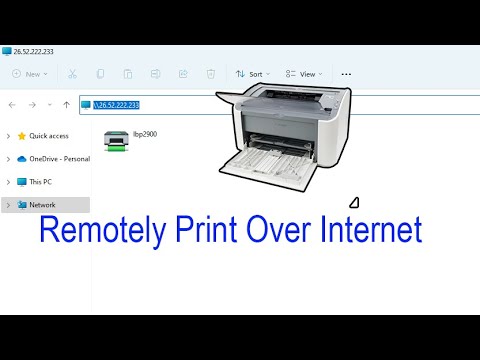
By NETVN82 Connect to Your Printer from Internet - FREE by NETVN82

Title: How to Remotely Control Your Computer Using Any Device access your desktop from anywhere
Channel: Kyle Sinko
How to Remotely Control Your Computer Using Any Device access your desktop from anywhere by Kyle Sinko
Wifi Not Found
Laptop WiFi Remote Control: Master Your Wireless World
We live in a world intrinsically linked to wireless connectivity. Our laptops, our digital companions, are at the nexus of this connection. Imagine the power of remote control over your laptop's WiFi – the ability to connect, disconnect, and troubleshoot from virtually anywhere. This isn't just about convenience; it's about control, security, and optimizing your digital life. We'll delve deep into the possibilities, revealing how you can truly master your laptop's WiFi.
Understanding the Fundamentals: WiFi and Your Laptop
Before exploring remote control, we should establish a solid foundation. Your laptop's WiFi adapter acts as its gateway to the wireless world. It translates radio waves into digital data, allowing your machine to communicate with routers and access points. The strength and stability of this connection are critical, impacting your browsing speed, video streaming quality, and overall online experience. Various factors influence this: the distance from the router, the presence of physical obstructions, and interference from other electronic devices. Understanding these fundamental elements empowers you to troubleshoot connection issues and create a more reliable wireless environment.
The Power of SSH: Your Digital Key
Secure Shell (SSH) is a powerful network protocol that facilitates secure remote access to a computer. Think of it as a secure tunnel, encrypting all traffic between your laptop and another device. By leveraging SSH, you can execute commands on your laptop remotely, including those related to WiFi management. This opens up a world of possibilities, from initiating a connection to diagnosing network problems. Setting up SSH requires a bit of technical know-how, but the rewards in terms of control and flexibility are significant.
Setting up SSH on your laptop involves several steps:
- Install an SSH server: On Linux and macOS, an SSH server is often pre-installed or easily available through package managers. Windows users can utilize OpenSSH, which is a built-in feature, or install a third-party SSH server like PuTTY or WinSCP.
- Configure firewall rules: Ensure your laptop's firewall allows inbound SSH connections. You'll need to permit traffic on port 22 (the default SSH port).
- Create user accounts: Setup user accounts with strong passwords. SSH leverages these accounts for authentication.
- Obtain your laptop's IP address: You'll enter this IP address (or hostname, if you've set one up) when connecting remotely. You can typically find this information in your network connection settings.
Remote WiFi Control via Command Line
Once SSH access is established, the command line becomes your ultimate control panel. The specific commands you'll use vary depending on your operating system. However, the core principles remain consistent: you'll use text-based commands to interact with your WiFi adapter.
Linux-based systems:
nmcli: This is the Network Manager command-line tool, offering powerful control over network connections.nmcli connection show: Lists available WiFi profiles.nmcli device wifi rescan: Rescans for available networks.nmcli device wifi connect <SSID> password "<password>": Connects to a WiFi network.nmcli connection down <connection-name>: Disconnects from a network.
iwconfig: This older, more “low-level” interface tool remains useful in some instances.iwconfig wlan0 essid "<SSID>": Configures the network name (SSID) for your WiFi adapter.iwconfig wlan0 key <password>: Sets the WEP or WPA key for the network.
macOS systems:
networksetup: This command-line utility offers robust networking control.networksetup -listallnetworkservices: Lists available network services (including WiFi).networksetup -setairportnetwork <network service name> <SSID> <password>: Connects to a WiFi network.networksetup -getairportnetwork <network service name>: Displays the currently connected network.
Windows systems:
netsh: The Network Shell is Windows' primary command-line tool for network configuration. Its interface is very complex.netsh wlan show profiles: Lists saved WiFi profiles.netsh wlan connect name="<Profile Name>": Connects to a WiFi profile.netsh wlan disconnect: Disconnects from the current network.netsh wlan delete profile name="<Profile Name>": Deletes a saved WiFi profile.
Creating a Remote Control Script
To streamline the process, consider creating a script that automates common WiFi tasks. This script would contain a sequence of commands, allowing you to execute actions with a single instruction. For example, you could create a script to connect to a specific network. Here are a few examples:
Bash Script (Linux/macOS):
#!/bin/bash
# Connect to a Wi-Fi network using nmcli
SSID=$1
PASSWORD=$2

if [ -z "$SSID" ] || [ -z "$PASSWORD" ]; then
  echo "Usage: $0 <SSID> <password>"
  exit 1
fi

nmcli device wifi connect "$SSID" password "$PASSWORD"
if [ $? -eq 0 ]; then
  echo "Connected to $SSID"
else
  echo "Failed to connect to $SSID"
fi
To save this script, use a text editor like nano or vim. For example, save the script as wifi_connect.sh and then make it executable by typing in the Linux or macOS terminal chmod +x wifi_connect.sh.
Batch Script (Windows):
@echo off
:: Connect to a Wi-Fi network using netsh
set "SSID=%1"
set "PASSWORD=%2"

if "%SSID%"=="" (
  echo Usage: wifi_connect.bat "<SSID>" "<password>"
  exit /b 1
)

netsh wlan connect name="%SSID%"
if %errorlevel% equ 0 (
  echo Connected to %SSID%
) else (
  echo Failed to connect to %SSID%
)

pause
Save this script as wifi_connect.bat.
Subsequently, you can run this script through SSH. For example, from your remote machine, you would type: ssh user@your_laptop_ip "/path/to/wifi_connect.sh YourWiFiSSID YourWiFiPassword" (Linux/macOS) or ssh user@your_laptop_ip "C:\path\to\wifi_connect.bat YourWiFiSSID YourWiFiPassword" (Windows).
Leveraging Third-Party Tools for Enhanced Control
While command-line tools offer extensive control, third-party applications can provide a more user-friendly experience, especially for those new to the command line. Many of these applications are designed to simplify the process of managing WiFi connections remotely.
Consider these options:
- Remote Desktop Software: TeamViewer, AnyDesk, and Microsoft Remote Desktop are examples of applications designed for remote access. While they offer a broader range of remote control capabilities, they also allow you to manage WiFi settings through the graphical interface.
- Network Monitoring Tools: Some advanced network monitoring applications offer remote access to settings. They can provide insights into network performance.
- Home Automation Systems: If you have a home automation system, you may be able to integrate your laptop’s WiFi control, although this is generally a more complex setup.
Security Best Practices for Remote Access
Security is paramount when enabling remote access. Always follow these practices:
- Strong Passwords: Use strong, unique passwords for all accounts, including your SSH user accounts.
- Key-Based Authentication: Consider using SSH key-based authentication instead of password authentication for enhanced security.
- Firewall Configuration: Configure your firewall to restrict access to your laptop. Limit access only to your trusted IP addresses.
- Regular Updates: Keep your operating system and all software up-to-date to patch security vulnerabilities.
- Two-Factor Authentication (2FA): Where possible, enable 2FA for your SSH access to add an extra layer of security.
- Disable Unnecessary Services: Disable any services on your laptop that you are not actively using.
- Monitor Logs: Regularly review your system and application logs for any suspicious activity.
- Consider a VPN: Using a VPN (Virtual Private Network), is a secure way to access your home WiFi network remotely.
Advanced Techniques: Beyond the Basics
Once you have mastered the fundamentals, expand your horizons with these advanced techniques:
- Automated WiFi Management: Use scripting to automate tasks. You can write scripts that connect to specific networks at specific times of the day, or that automatically switch to a stronger network.
- Remote Monitoring: Use monitoring tools to track your WiFi connection status, signal strength, and data usage. You can then receive alerts if the connection drops or your data usage exceeds a certain threshold.
- Troubleshooting Remotely: Remote access lets you diagnose WiFi connection issues remotely. You can run diagnostic commands, reboot your router, and identify the source of problems without physically being
